Internal Linking SEO Best Practices 2025 and Its Types
Mastering internal linking SEO best practices is essential for enhancing website structure, user experience, and search engine rankings. For more start reading. Search engines index and rank web pages depending on factors and signals like page usability, significance, authority, and linguistic indicators.
Overview
Search engines index and rank web pages depending on factors and signals like page usability, significance, authority, and linguistic indicators. Among these elements, internal link ratios play a crucial role in helping search engines find your page to rank it. Besides, internal linking SEO best practices boost user experience and link to the unique content of your website. So what are internal links?
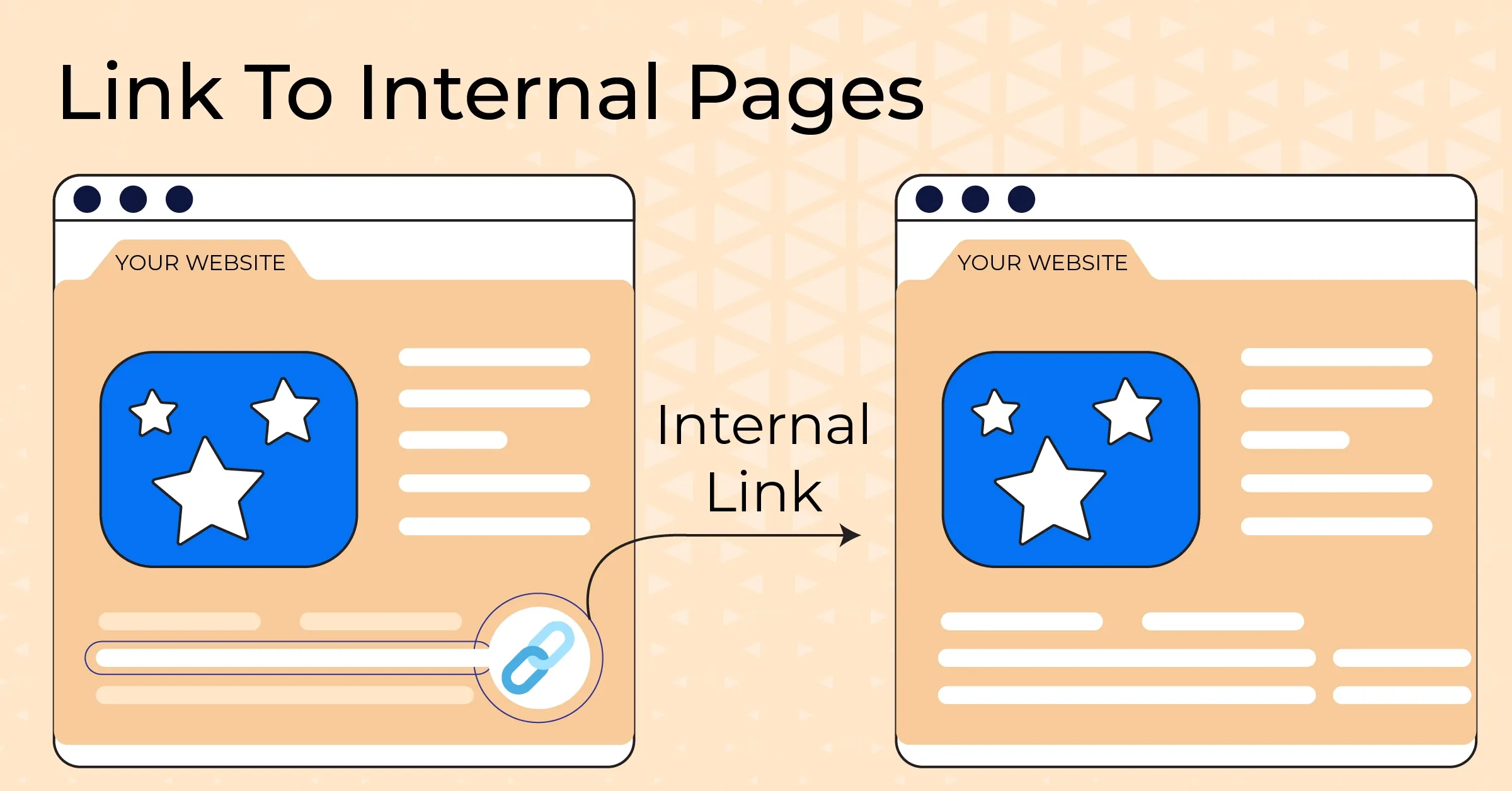
Internal links are hyperlinks in your content that point to another page of your website. It guides users to navigate the website to find the topic they were searching for in the search engines. Besides, search engines use internal links to find, index, and navigate the pages of your website. Therefore, content needs must be internal links to enable users and search engines to locate your website and web pages.
In short, internal links are one of the significant ranking factors for search engines to rank websites on top of the search engine results pages. If you implement them strategically, your web pages will gain page authority and reach a broader audience. As a result, an internal linking strategy helps you to gain organic traffic to your website and boost your conversion rates and sales.
In this blog, we will learn more about internal linking SEO best practices:
- Benefits of internal links for SEO
- Types of internal links
- Best Practices for Internal Linking
- Tools and Resources for Internal Linking
Why Internal Linking Matters for SEO?
Search engines rank high-value content on top of the search engine results page. They consider web pages or articles with many links since they account for a high-quality piece among countless websites on the same topic. In other words, links, including internal and external links, are significant for websites to drive traffic.
Further, implementing an effective internal linking structure in your website guides your users to discover relevant articles and the chance to visit more pages on your website. The following are some of the crucial internal linking benefits for SEO:
- Helps in crawling and indexing: Search engines follow links to crawl and index websites. They recreate the user's thinking process while following links. Therefore, it is essential to implement a standard and effective internal architecture for crawlers to navigate through your website. Besides, it helps them to understand the importance of each page on the website and assists the crawlers in indexing the valuable content. Thus, internal links boost your content in search engines and establish a relationship between posts and other content. Implementing search engine optimization techniques is crucial for better crawling and indexing.
- Help search engines find quality content: Having internal links boost search engines to identify better posts and content. Since many websites with numerous articles are on the search engine, it is essential to implement internal linking SEO best practices to help search engines reach your content. Without internal links, your content will be left unnoticed.
- Drives more traffic: Internal links on your pages will guide the users to find the relevant content based on their search queries. Besides, it directs them from one page to the other, increasing website ranking and managing to gain more organic traffic to the website. Implement an effective organic search strategy to boost website traffic and increase visibility.
- Boost user experience: The internal links' effect on SEO can be pointed out again by their influence on boosting the user experience of your website. It helps the visitors to your page navigate your website and increase the bounce rate. Your website needs to implement internal link architecture in your content since it can improve your website's UX and bounce rate. Thus it allows you to increase the page rank in the SERP.
- Direct link equity: One of the crucial benefits of internal linking is it determines link equity across your website. In other words, by using internal links, you can ensure equal distribution of links to essential pages for overall website visibility.
To improve the search engine ranks, many website owners use expert link-building services.
What are the Different Types of Internal Links?
As mentioned, internal linking SEO best practices involve implementing different internal links in your websites. Using each type achieves a distinct purpose for your content. Internal links typically guide search engines and users in finding and navigating your websites. Besides, using proper internal link structure helps your website pass page authority to high-quality web pages in your website.
Given below are the different types of internal links:
- Contextual links: Contextual links are internal links placed inside the main content of your page that comprises related ideas or context. In other words, contextual links direct the visitors to related content of the topic within your website. It helps to make your visitors stay and explore your website without the need to refer to other websites or other large navigational pages.
- Navigation links: Navigational links are crucial internal links in your content that helps your visitor to move from one page to another. They are often present on the menu tab, organized and categorized around products or services. They are a permanent element on the homepage of your website that gives your website an effective navigational structure. Besides, they are the links that allow visitors to explore your website seamlessly.
- Footer links: Footer links remain permanent, as same as navigational links, on your website. They appear on the bottom of your web pages, and involve information like contact us, about the company, frequently asked questions, managing your account, etc.
- Image links: As the name suggests, image links are internal links you can give below the visual you shared in the content. It often involves details related to the pictorial or the post. Most e-commerce websites use these links below their product image to provide the price and feature details. Check out our comprehensive guide on link building tips for beginners to learn effective strategies for improving your website's visibility and rankings.
What are the Best Practices for Internal Linking?
Since internal links offer many benefits for your website, you can implement best industrial practices to bring out the desired outcome from your site. Therefore, it is necessary to either refer to an internal links example or ask questions before you execute link-building services, such as how to choose anchor text for internal links, understand how to decide which pages to link to and from, and how to structure internal links for maximum impact.
Given below are the top internal linking SEO best practices:
1. Use relevant anchor text: To optimize your content; you can implement best-suited anchor text to describe your content after selecting the links for the pages and web pages for link value. Furthermore, you can use anchor text instead of linking images to keep the consistency of your content theme. If you're looking to optimize your website's SEO, make sure to check out our comprehensive anchor text guide for expert tips and strategies.
2. Use high-authority pages to link: You can use tools like Ahrefs to identify high-quality SEO-driven pages and add internal links. Besides, ensure the chosen link is relevant to the webpage linking from. As a result, using significant pages of your website will help your page gain authority and boost rank on the search engine results page.
3. Follow the ideal structure for internal linking: While adding internal links to your content, use links to your pages and posts to strengthen them by interlinking. It helps to give significance to content that is deep within the site structure.
Tips for implementing proper internal linking:
- Try to link old posts to new posts and vice versa
- Add internal links depending on the length of your website. For example, for a 1500-word article, add 2-5 internal links.
- Understand internal links vs external links differences and purpose in your content
- Use contextual links
- Identify and fix broken internal links regularly
- Try to place internal links on top of the content as well.
What are the Tools and Resources for Internal Linking?
There are multiple SEO tools to execute internal linking SEO best practices for boosting your website on search engines. You will get free, paid, and licensed software tools for building and auditing internal links on your website, performing an internal link audit ensures optimal website structure, enhancing user experience and boosting SEO rankings. These tools help to identify flaws in the website's internal link structure and create and build better internal links for your website.
Besides, it automates the internal linking process and generates reports to determine content opportunities.
Some of the top tools for internal linking are as follows:
- Google Search Console
- Ahrefs
- Moz
Conclusion
In short, you can use internal links to gain organic traffic to your website and improve the user experience. However, you should follow effective internal linking SEO best practices to enhance the internal linking structure and avoid difficulties in the website structure. Besides, you can use tools to build and evaluate internal links to optimize the overall configuration of your website.
Frequently Asked Questions:
1. How many internal links per page SEO?
Ans: Ideally, for every new content on your website, you can add 2-3 internal links. Implementing sufficient internal links pointing to your other web pages can enhance the page authority and rank at the top of the search engine results. However, never stuff your content with many internal links since search engines can penalize such websites and rank them down to the bottom of the SERP. Therefore, as part of internal linking SEO best practices, use an adequate number of internal links.
2. How to find internal links to a page?
Ans: Many software tools are available to find, build, and understand internal links for your website. It helps you to identify pages that are SEO- driven with many backlinks and page authority. Besides, you can analyze the links to check the link types, numbers, anchor types, etc.
3. What is the purpose of internal linking?
Ans: The ultimate purpose of internal linking is to help search engines discover websites and users navigate your pages on the website. It helps to enhance the user experience and increase bounce rates. Besides, you can boost the page authority of SEO-driven pages. As a result, you can rank your website on top of the search engine results page and gain organic traffic.
4. Why are internal links important for SEO?
Ans: Internal links are crucial for SEO since they help search engines discover and index web pages on your website. Besides, it can improve crawl efficiency and guide search engines based on value, authority, and relevance. As a result, it enhances organic traffic to your website and increases conversion rates.
Related Articles
Top YouTube Searches of the Year
Google Pagerank | 3Factor That Influence It | How Best To Calculate It